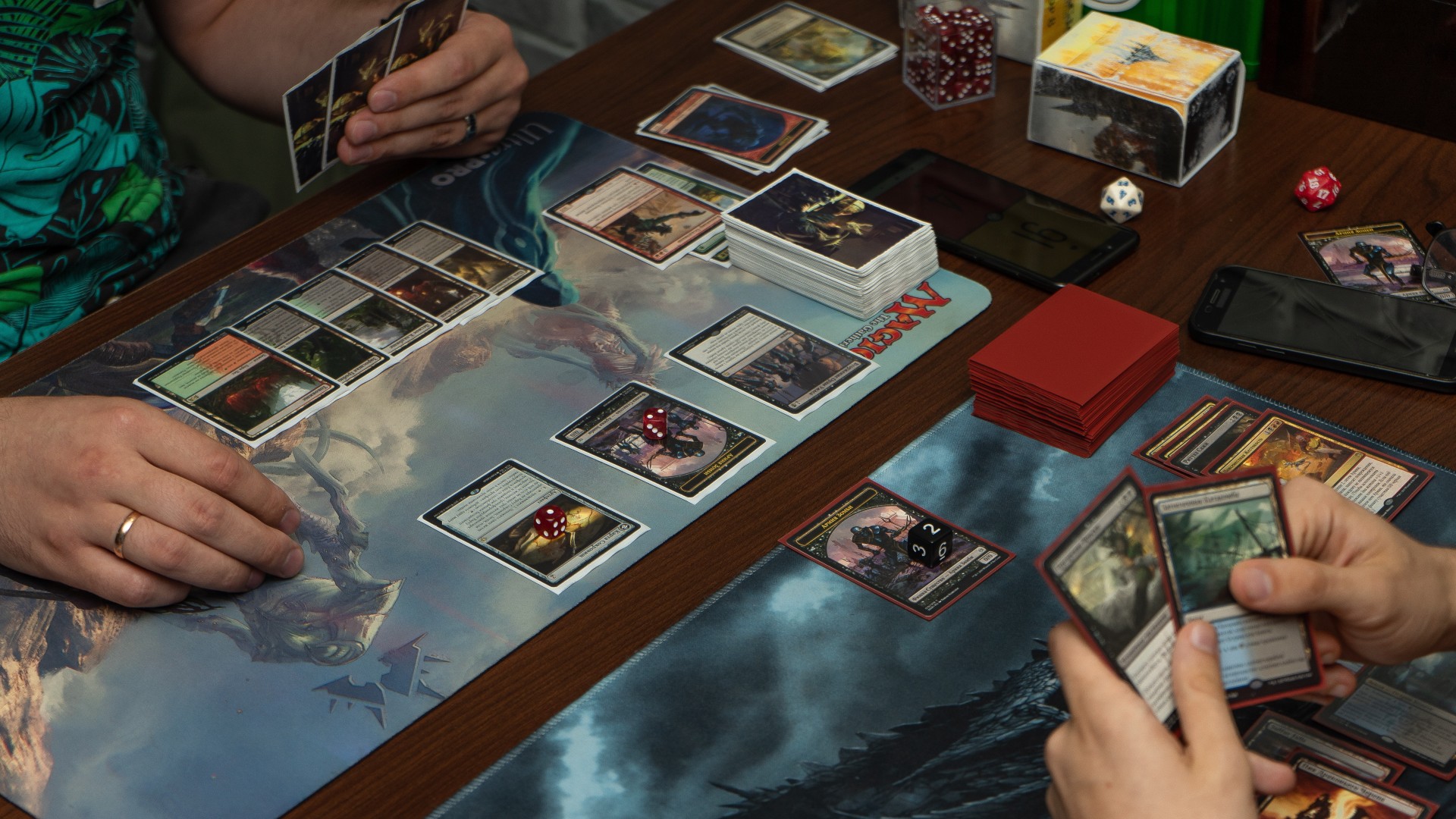
If you’ve ever watched someone draft a cube and thought, “Wait… you can just make your own set?” yep. That’s the whole appeal. getting started in cube in mtg is basically learning how to build a replayable draft environment that matches how your group actually likes to play. More interaction? Less “oops I opened the mythic”? More weird pet cards? All on the table.
And the nice part: your first cube doesn’t need to be perfect. It just needs to get drafted.
What “Cube” Means in MTG (and Why People Love It)
An MTG cube is a hand-picked pool of cards that you shuffle up and draft like a normal booster draft, except you’re making the packs yourself. Instead of cracking three store boosters each, players draft three 15-card packs built from the cube, then build 40-card decks with basic lands added after.
People love cube because it hits a sweet spot:
- It feels like Limited (drafting, deckbuilding, reading signals)
- But it plays like Constructed sometimes (coherent decks, strong synergies, real archetypes)
- And you can tune it over time so the draft gets better instead of rotating out
If your group has ever said, “I wish this set had more removal,” cube is your chance to be the person who fixes that.
Getting started in cube in mtg: Pick a Goal First (Not a Card List)
Before you start throwing cards in a pile, decide what you want the table to feel like. This saves you from building a cube that’s half “fair midrange slugfest” and half “turn two combo kill” unless that’s your thing.
A few common “first cube” goals:
Classic goodstuff cube
A mix of strong creatures, efficient removal, planeswalkers, value engines, and some synergy. Draft any color pair and you’ll get a deck.
Set cube
You build a cube from one set (or one block). Great if your group loves a specific vibe and wants that draft feel any time.
Budget, peasant, or pauper-style
Lower rarity constraints tend to create tighter games and fewer blowouts. Also easier to build without chasing expensive singles.
Powered vs unpowered
“Powered” usually means the most broken fast mana and iconic nonsense. “Unpowered” means you keep the power level high, but not that high.
My honest recommendation: pick “classic goodstuff” unless you already know you want a theme. It’s the easiest to balance, and it teaches you what your group actually enjoys.
Choose a Cube Size That Matches Your Player Count
Cube size matters because it changes consistency. Smaller cubes are more “everything shows up” and bigger cubes are more “every draft is a little different.”
Here’s a practical way to think about it:
| Cube Size | Typical Use | What It Feels Like |
|---|---|---|
| 180 | 2 players (tight drafts) | Fast setup, super consistent, great for testing |
| 360 | 8 players (full draft) | Every card gets drafted, very “designed” feeling |
| 540 | 8 players (variety draft) | About 1/3 stays in the box each draft, more variety |
| 720 | Two 8-player drafts | Huge variety, harder to balance, more “big environment” |
If you’re brand new, 360 is the clean starting point. It’s the smallest “full pod” cube size, and it’s way easier to tune than a 720-card beast.
The Fastest Way to Build Your First Cube (Without Spiraling)
There are three sane approaches. Pick one.
1) Start from an existing cube list
This is the easiest path. You grab a proven list, draft it, then change things as your group gives feedback. It also teaches you what “enough fixing” and “enough removal” looks like in practice.
2) Build from your collection
This is fun and fast, but it needs one rule: keep the power level even. If your green deck is full of medium creatures and your blue deck is full of busted free counters, you’re going to create a “don’t draft green” problem. That gets old fast.
3) Build a “skeleton,” then fill it in
This is how a lot of cube designers work long-term. You decide how many cards each section gets (colors, multicolor, artifacts, lands), then you fill the slots with cards that support your archetypes.
If you’re doing getting started in cube in mtg the first time, I’d do either #1 or #3. #2 works, but it’s more likely to produce a lopsided first draft.
Your Cube’s Skeleton: Colors, Curve, Removal, Archetypes
A cube plays well when decks come together reliably. That means you need more than “cool cards.” You need support for curve, interaction, and mana.
Here’s a simple checklist that prevents most beginner cube problems:
- One-drops and two-drops exist in every color, especially for aggro
- Removal is real, not just “seven-mana sorcery speed”
- There’s mana fixing, so two-color decks aren’t punished
- Archetypes have overlap, so players aren’t forced into one narrow lane
And don’t ignore the mana curve. Limited games are still won by casting spells on time. If your cube has too many 4–6 drops and not enough early plays, you’ll get slow drafts where everyone durdles until one bomb sticks. Sometimes that’s fine. Usually it’s not.
A “minimum viable cube” card mix (simple version)
This is not a strict rulebook. It’s just a sanity check.
- Threats at every mana value (especially 1–3)
- Interaction (removal, counters, combat tricks if you like them)
- Card advantage (draw spells, value creatures, engines)
- Finishers (big threats that actually end the game)
- Mana fixing (lands and a little ramp if needed)
If you draft and every deck looks like “23 playables and vibes,” you probably need more redundancy in the key roles above.
Lands and Mana Fixing: The Part Everyone Underestimates
If cube has one universal truth, it’s this: bad mana creates non-games.
You want most decks to be two colors, sometimes three. That means your cube needs fixing that shows up often enough for people to draft it, and strong enough that they want to.
A few practical tips that help immediately:
- Include fixing across all color pairs, not just your favorites
- Don’t make fixing “too precious”. If the lands section is tiny, only one person gets to have good mana each draft, and everyone else stumbles
- Support the kind of decks you want. Aggro wants untapped lands. Control can live with more taplands. If you only run taplands, aggro gets worse by default
If you want your cube to feel smooth, lands are not optional content. They are gameplay.
How to Run Your First Cube Draft Night
Once the cube exists, the actual night is simple. The big thing is having a plan so you’re not sorting piles for 40 minutes while everyone watches you like you’re defusing a bomb.
Here’s the clean “classic” setup:
- Shuffle the cube well
- Make 15-card packs (3 per player)
- Draft like a normal booster draft (pick one, pass)
- Build 40-card decks (basics provided)
- Play matches (best-of-one or best-of-three, your call)
If you don’t have 6–8 players, cube is still great. You can use alternative draft formats like Winston draft or other small-pod methods. The point is the same: draft a deck from a shared pool, play some games, learn what’s fun, then tweak.
Drafting Basics: Don’t Draft “Good Cards,” Draft a Deck
This is the most common cube faceplant: players take the strongest card every pick and end up with a pile that doesn’t function.
Cube has more powerful cards per pack than normal Limited, so it’s easy to get distracted. Try drafting with these thoughts in mind:
- What is my deck trying to do?
- Do I have enough cheap plays?
- Do I have interaction?
- Can I cast my spells?
A deck with a plan beats a deck with random hits. Almost every time.
Playtest, Adjust, Repeat (This Is the Fun Part)
Your first list is a draftable prototype. After that, cube becomes a hobby of tiny improvements.
After each draft, ask your group two questions:
- What felt unbeatable or miserable?
- What never showed up, or showed up and did nothing?
Then make small changes. Swap a card or two per color. Add a land cycle if mana felt rough. Cut the “cute” build-around that never gets there. Over time your cube becomes more “yours,” and your drafts stop feeling like chaos.
And yes, you will misjudge cards. Everyone does. That’s normal.
Common Beginner Mistakes (So You Can Skip Them)
Too many multicolor cards
Gold cards are tempting, but they rot in sideboards if fixing is thin or drafters aren’t in that lane.
Not enough early plays
If you want aggro to exist, you need one-drops and two-drops, plus enough pressure to punish slow decks.
Not enough removal
If threats stick forever, games become board stalls and “who drew their bomb.”
Fixing that’s too weak
If everyone is missing colors, your cube will feel clunky even if the cards are great.
Trying to support 12 archetypes in 360 cards
Start with a few, make them overlap, then expand once you know what your group likes.
Wrap-Up
You don’t need a perfect list to start. You need a cube that can be drafted, played, and adjusted.
If you remember one thing: getting started in cube in mtg is easier when you start small, prioritize mana and curve, and let playtesting tell you what to fix. Draft it once, you’ll instantly see what’s missing. Draft it five times, and you’ll wonder how you ever played without it.